In the past, the streetlights we encountered on city streets followed a simple rule: they turned on at a set time and off at daybreak, shining at the same brightness regardless of whether pedestrians or vehicles were around. This approach not only wasted energy but sometimes created uncomfortable lighting conditions that affected travel experiences. Today, with the advancement of smart cities, streetlight control has moved far beyond such a "crude" approach, embracing an intelligent transformation that is quietly reshaping our nighttime environment.
At the heart of smart streetlight control is the ability to "understand" urban demand. It is no longer just a timed switch. Instead, by integrating sensors such as light detectors and millimeter-wave radar, it forms a closed-loop system of "sensing–decision–execution." For example, after 11:00 p.m., when sensors detect that pedestrian and vehicle traffic falls below a set threshold, the streetlight brightness automatically dims to 30% — ensuring safety while significantly saving energy. On overcast, rainy, or foggy days when natural light is insufficient, the system increases brightness to keep the road clearly visible.
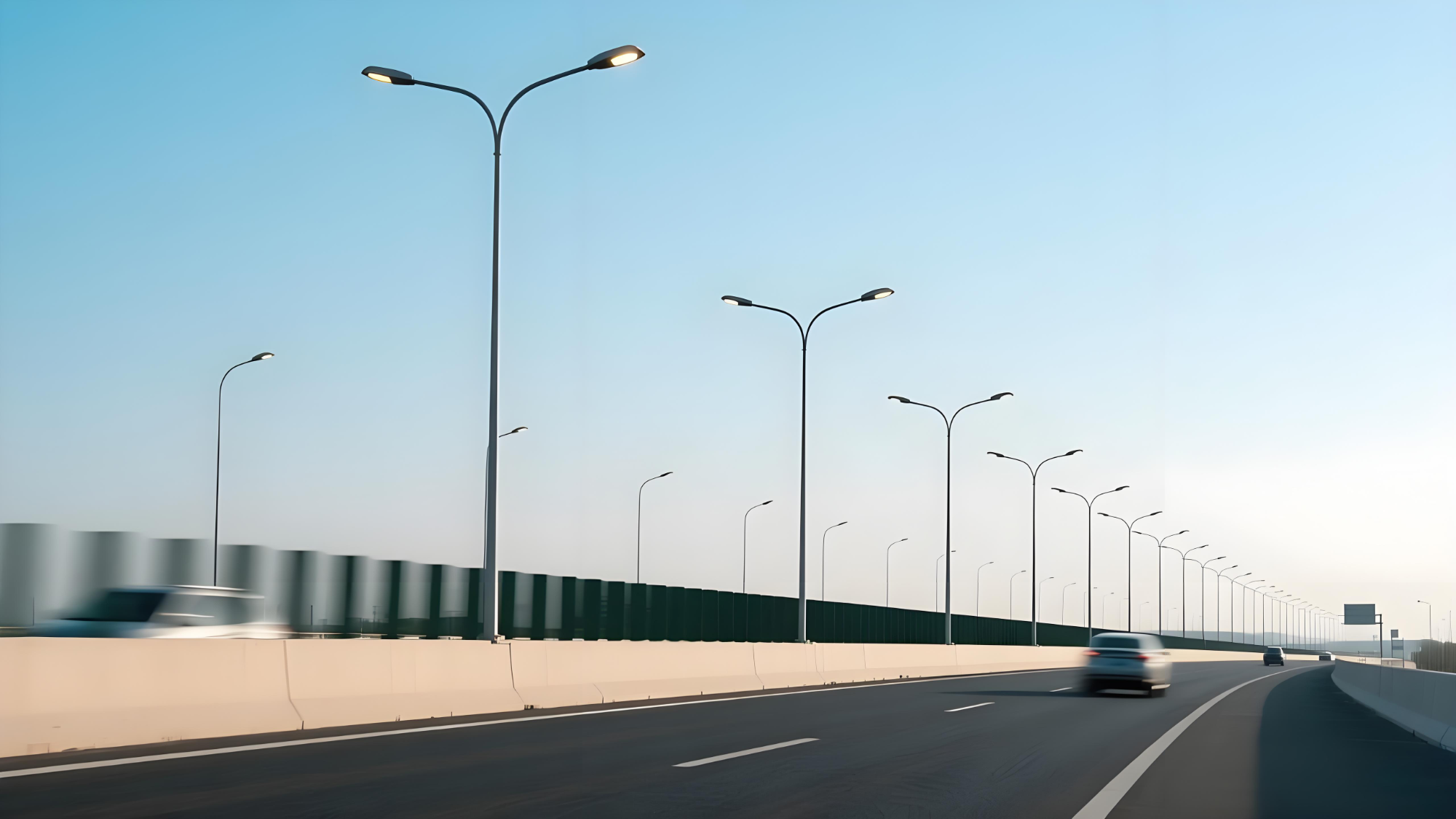
Beyond smart dimming, remote monitoring is another major highlight of intelligent streetlight control. Previously, maintenance crews had to conduct manual inspections and rely on on-site visits to locate faults. This process was inefficient, with fault response times often exceeding 48 hours. Now, through communication modules such as 4G and WiFi, control center operators can monitor the real-time status of each streetlight — including voltage, current, and on/off state. When a fault occurs, the system automatically issues an alert and pinpoints the location, allowing repair crews to go directly to the problem area. This reduces fault response time by over 90%.
This transformation brings not only convenience but also a win‑win outcome for energy efficiency and environmental protection. Statistics show that compared with traditional models, smart streetlight control can achieve 30%–40% energy savings. In a city with a population of one million, this translates into millions of yuan in annual electricity savings and a reduction of over a thousand tons in carbon emissions. Moving from "passive maintenance" to "active management," and from "wasted energy" to "on‑demand lighting," the intelligent evolution of streetlight control is not just a technological upgrade — it is a vivid reflection of refined urban governance.
 FONDA Showcases Smart Lighting Innovations at Hong Kong Outdoor & Tech Light Expo Press Conference
 From Solar Lighting to Intelligent Operations: Fonda Tech Enables Smarter Lighting Management in Kuwait
 China-Africa Digital Cooperation | Smart Pole & Smart City Infrastructure
 FondaCity Unveils Its Latest AIoT Cloud Platform Release




