As global energy costs rise and urban lighting demands increase, reducing street lighting electricity expenses has become a critical priority for city managers and operators. Based on advanced domestic and international practices and data analysis, this article presents a systematic solution to help cities achieve a 30% or greater reduction in street lighting electricity costs while maintaining lighting quality and public safety.
1. Current Status of Street Lighting Energy Consumption
1.1 Composition of Street Lighting Energy Use
According to the International Commission on Illumination (CIE), urban public lighting typically accounts for 15%–30% of a city's total electricity consumption, with inefficient traditional light sources like high-pressure sodium (HPS) lamps still prevalent. For example, in a medium-sized city with 100,000 streetlights, assuming an average power of 250W per light and an annual operation of 4,000 hours, the annual electricity consumption would reach 100 million kWh, costing over 60 million CNY (at 0.6 CNY/kWh).
1.2 Energy-Saving Potential Assessment
Research by the U.S. Department of Energy (DOE) indicates that street lighting systems can achieve 30%–60% energy savings through comprehensive measures:
Light source replacement: 40%–60% energy savings
Intelligent control systems: 15%–30% energy savings
Operational optimization: 5%–10% energy savings
2. Technological Upgrades: Core Energy-Saving Measures
2.1 Comprehensive LED Replacement
Data Support: LED streetlights offer significant advantages over traditional HPS lamps:
Energy efficiency: LED efficacy reaches 150–200 lm/W, compared to 80–120 lm/W for HPS
Extended lifespan: LED lifespan is 50,000–100,000 hours, 2–4 times longer than HPS
Reduced maintenance costs: Lower replacement frequency by over 50%
Case Study: Los Angeles’ "LED Street Lighting Replacement Project" replaced 210,000 streetlights with LEDs, saving $8 million annually with a 63% energy reduction and a payback period of just 7 years.
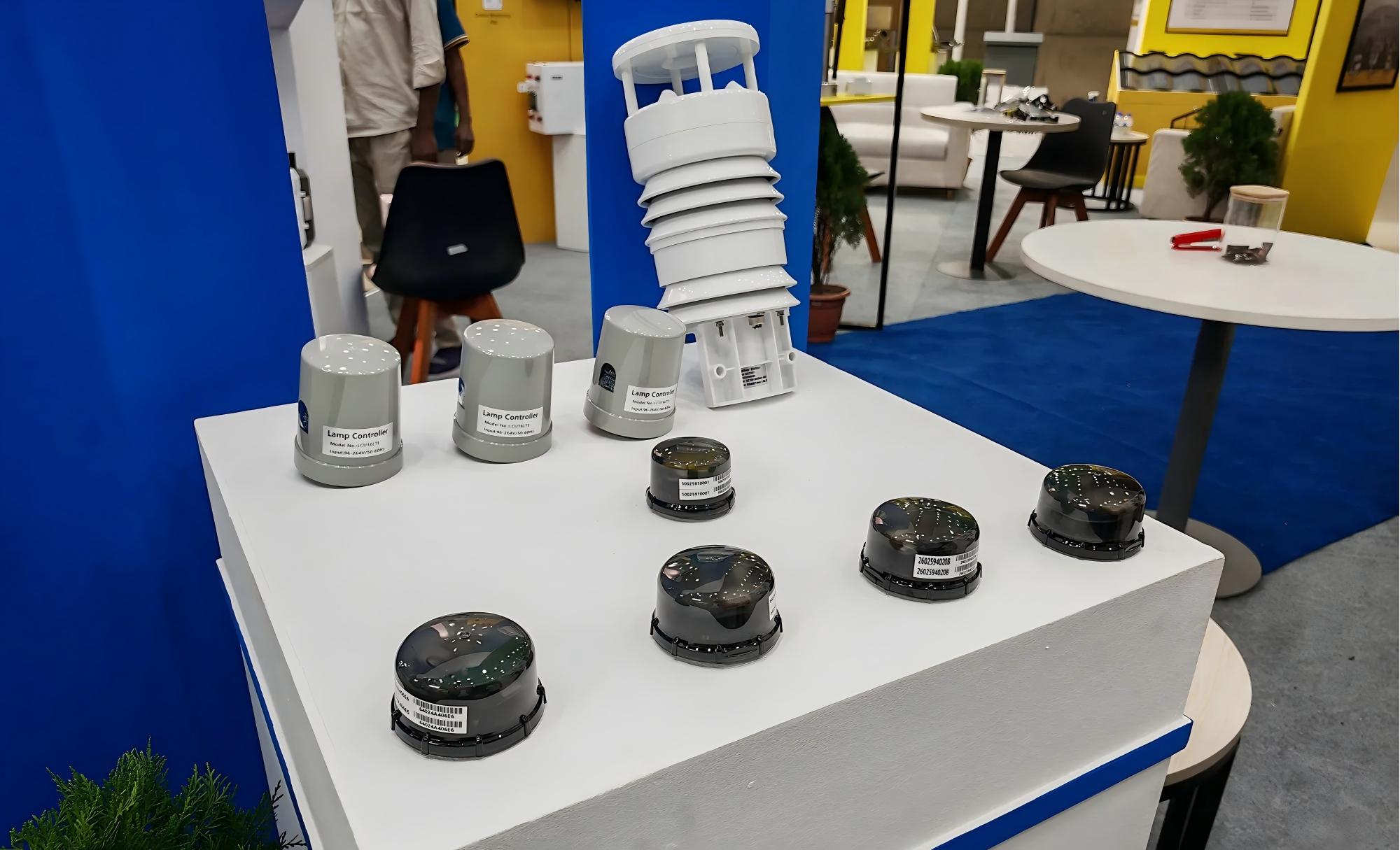
2.2 Smart Lighting Control Systems
Key Technologies:
Adaptive dimming: Adjusts brightness based on traffic flow and ambient light
Zonal control: Divides the city into zones with different lighting needs for tailored strategies
Remote monitoring: Tracks the status of each light in real time for quick fault detection
Data Support: European smart lighting projects show that adaptive control systems can achieve an additional 20%–30% energy savings on top of LED upgrades.
3. Management Optimization: Enhancing System Efficiency
3.1 Precision Lighting Design
Professional Recommendations:
Optimized illuminance standards: Align with the Urban Road Lighting Design Standards (CJJ45-2015) and actual road requirements
Light distribution optimization: Select luminaires with appropriate light distribution curves to reduce wasted light
Optimal installation height and spacing: Use professional lighting design software (e.g., DIALux) to simulate and identify the best layout
Case Study: Guangzhou reduced lighting power density by 25% on certain roads through refined lighting design while maintaining quality.
3.2 Time-Based Control Strategies
Implementation Plan:
Reduced power operation after midnight: Dim lights to 30%–50% of standard brightness from 23:00 to 5:00
Differentiated control for holidays and special periods: Create multiple lighting scenarios based on date types
"On-demand lighting" strategy: Use traffic and pedestrian sensors to adjust brightness dynamically
A two-year UK study found that time-based control strategies achieved an average energy saving of 28%.
4. Innovative Technology Applications
4.1 Solar-Grid Systems
In regions with sufficient sunlight, solar-grid systems can be deployed. Solar streetlights charge during the day and prioritize solar power at night, switching to the grid only when necessary.
Case Study: Delhi, India, installed solar supplementation on 30% of its streetlights, reducing electricity costs for these lights by 45%.
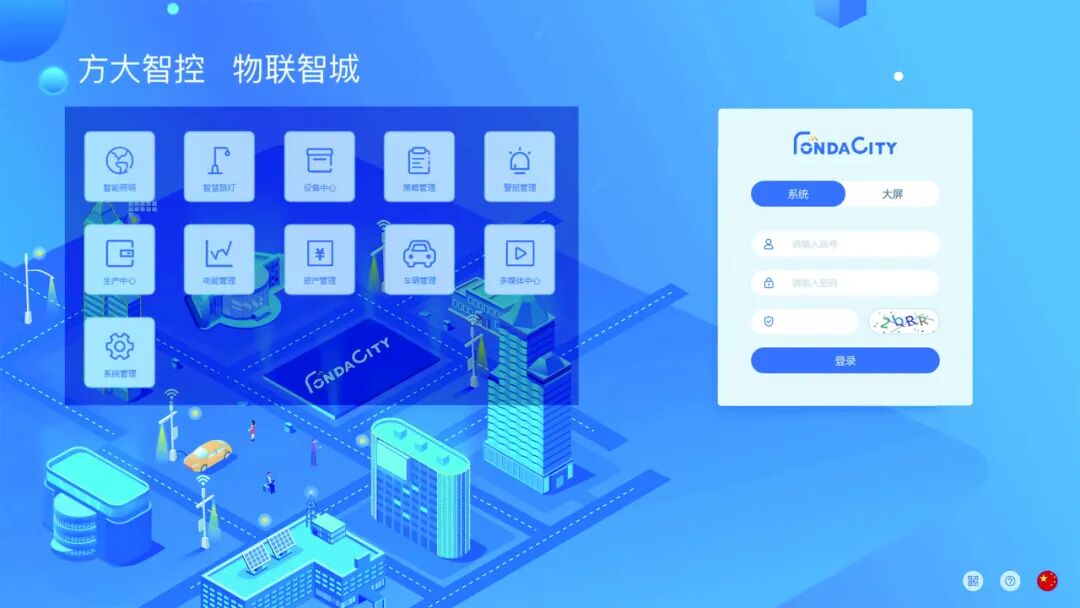
4.2 IoT and Big Data Analytics
Collect vast amounts of streetlight data via IoT platforms and use big data analytics to:
Identify abnormal energy consumption patterns
Predict luminaire failures
Optimize control strategy parameters
Evaluate the effectiveness of energy-saving measures
Case Study: Barcelona’s smart city project achieved an additional 32% energy savings through its IoT-based streetlight management system.
5. Cost-Benefit Analysis and Implementation Roadmap
5.1 Phased Implementation Recommendations
Phase 1 (1 year): Pilot and Planning
Conduct pilot projects on representative road sections
Perform comprehensive energy audits and assess saving potential
Develop detailed implementation plans and funding strategies
Phase 2 (2–3 years): Large-Scale LED Replacement
Prioritize roads with high energy consumption and failure rates
Coordinate with road renovation projects
Phase 3 (1–2 years): Smart Control System Deployment
Build a centralized control platform
Install individual light controllers and sensors
Phase 4 (Ongoing): Optimization and Maintenance
Continuously refine control strategies based on data analytics
Establish a preventive maintenance system
Reducing street lighting electricity costs by 30% is an achievable goal through systematic and scientific approaches. The key lies in adopting an integrated strategy of technological upgrades, management optimization, and innovative models, tailored to local conditions. With advancements in IoT and artificial intelligence, street lighting systems will evolve from mere energy consumers into critical nodes for urban energy management, data collection, and public services, creating value beyond energy savings alone.
 2026 Smart Street Light Upgrade: How Pole-Level Control Delivers Measurable City Value
 Leakage Protection Cabinet: The Smart Foundation for Safe and Reliable Street Lighting
 Smart Street Lighting System: Building Smarter and More Efficient Cities with IoT Technology
 IoT Smart Solar Street Lighting Solution | FONDA





