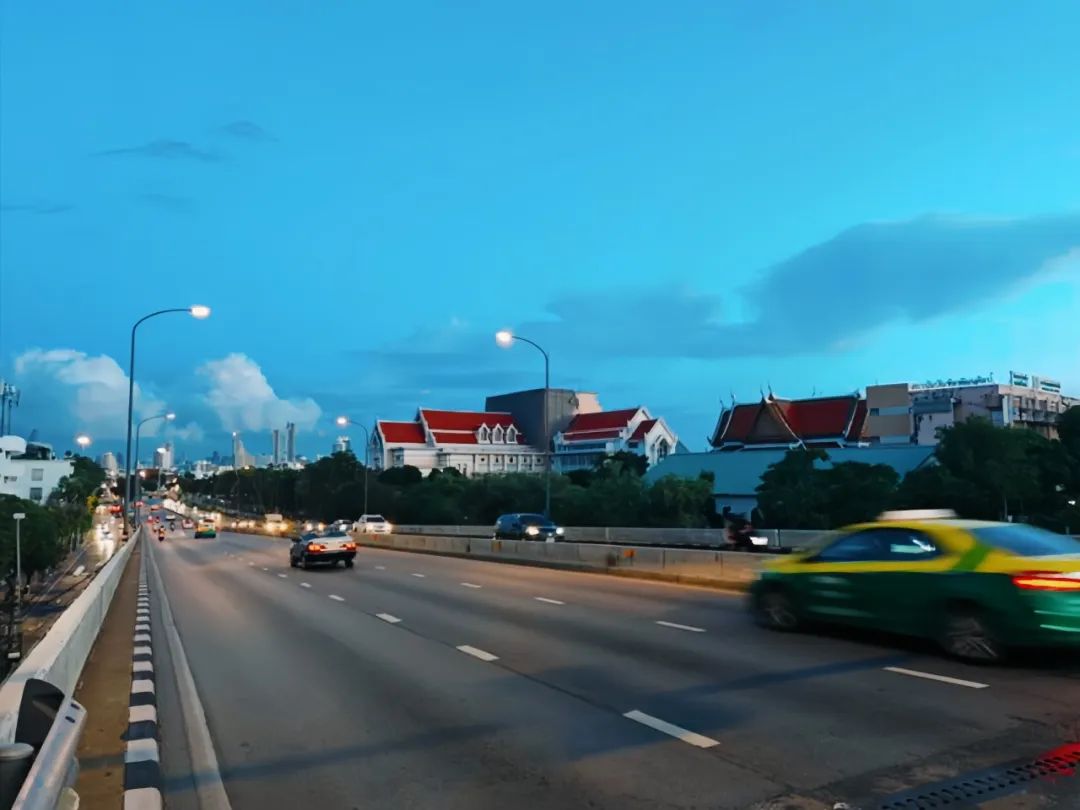
Street lighting is essential for ensuring safety and accessibility in urban areas, but it also contributes to a substantial portion of a city's energy consumption. Traditional street lights, often operated on fixed schedules and without adaptive control, result in considerable energy wastage. Intelligent street lights, however, leverage modern technologies to optimize lighting conditions, thereby maximizing energy efficiency and minimizing environmental impact.
Mechanisms for Energy Conservation:
Adoption of LED Technology:
Intelligent street lights predominantly utilize LED (Light Emitting Diode) lamps, which are known for their high energy efficiency, long lifespan, and superior light quality. LEDs consume significantly less energy compared to traditional incandescent or fluorescent bulbs, while providing better illumination and reducing the need for frequent replacements. This transition to LED technology alone accounts for a substantial reduction in energy consumption.
Smart Control Systems and Dimming Technology:
At the core of intelligent street lights lie smart control systems that enable real-time monitoring and remote control of each lamp. These systems utilize sensors to detect traffic flow, pedestrian activity, weather conditions, and ambient light levels. Based on this data, the lights automatically adjust their brightness and operational status, dimming when less light is needed and brightening in response to increased activity. Dimming technology, in particular, plays a crucial role in reducing energy consumption during off-peak hours.
Energy-Efficient Sensors:
Intelligent street lights are equipped with various sensors that further enhance energy conservation. Motion sensors detect the presence of pedestrians and vehicles, allowing the lights to illuminate only when necessary. Environmental sensors, such as light sensors, measure ambient light levels and adjust the brightness of the lights accordingly. This ensures that the lights are not over-illuminated during daylight hours or when natural light is sufficient.
Integration of Renewable Energy Sources:
Another significant aspect of intelligent street lights is their ability to harness renewable energy sources. Many modern street lights are equipped with solar panels that generate electricity from sunlight. This renewable energy is used to power the lights, reducing reliance on the grid and lowering overall energy consumption. In some cases, excess energy generated during the day can be stored in batteries for use during the night.
Efficient Power Management:
Intelligent street lights also incorporate efficient power management systems that optimize energy usage. These systems include high-efficiency power converters and drivers that minimize energy loss during the conversion process. Additionally, adaptive power management algorithms ensure that the lights operate at the most energy-efficient levels based on real-time conditions.
Intelligent street lights represent a significant advancement in urban lighting, offering a multitude of benefits that extend beyond mere illumination. Through the adoption of LED technology, smart control systems, energy-efficient sensors, renewable energy integration, and efficient power management, these lights contribute substantially to energy conservation. As cities continue to prioritize sustainability and efficiency, the role of intelligent street lights in shaping the future of urban lighting will undoubtedly grow, paving the way for greener, smarter, and more livable cities.
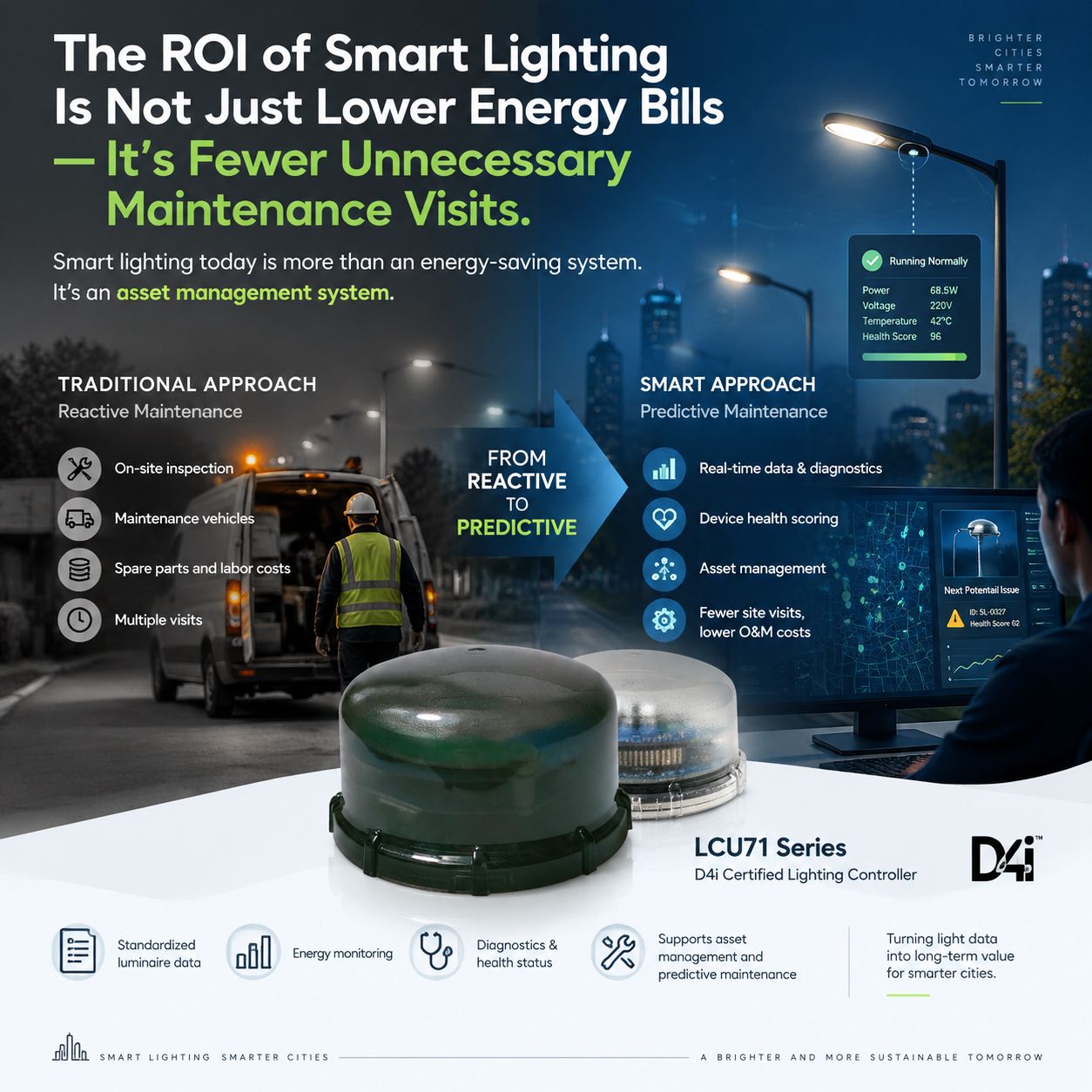 The New ROI of Smart Lighting: Beyond Energy Savings, Predictive Maintenance Cuts Operational Costs
 FONDA Showcases Smart Lighting Innovations at Hong Kong Outdoor & Tech Light Expo Press Conference
 From Solar Lighting to Intelligent Operations: Fonda Tech Enables Smarter Lighting Management in Kuwait
 China-Africa Digital Cooperation | Smart Pole & Smart City Infrastructure




