For a long time, the return on investment for smart lighting has been defined by three conventional metrics: how much energy is saved, how much electricity cost is reduced, and how fast the investment pays off. While these benefits remain essential, modern smart city lighting ROI is no longer limited to energy efficiency.
For city authorities managing tens of thousands of streetlights and lighting assets,
operational efficiency and intelligent asset management have become equally critical factors that determine long-term project value.
The Hidden Cost of Traditional Lighting Maintenance
Conventional urban lighting maintenance follows a passive model: technicians respond after lights fail or after receiving public complaints. This reactive workflow creates massive hidden operational waste.
Every unnecessary site visit involves dispatched service vehicles, allocated field labor, troubleshooting hours, and extra operational expenses. With urban lighting networks expanding rapidly, frequent unplanned repairs and blind patrols significantly increase total maintenance costs — in many cases offsetting the energy-saving benefits of smart lighting upgrades.
Smart Lighting Evolved: From Remote Control to Intelligent Asset Management
A truly mature smart lighting system does not only show operators
which luminaire is faulty. It predicts
which luminaire will fail next.
By continuously analyzing device performance trends, energy consumption patterns, driver component health, and real-time asset status, smart lighting solutions have evolved from basic remote-control systems into
AIoT-powered intelligent asset management platforms.
With standardized D4i luminaire data and embedded diagnostics, cities can unlock three core capabilities:
- Real-time Performance Monitoring – Track operational status, working hours, and energy data of every luminaire.
- Full Lifecycle Asset Management – Digitize lighting inventory with traceable device records and operational history.
- Predictive Maintenance – Identify potential failures in advance to reduce emergency repairs and unnecessary site visits.
D4i-Certified FONDA LCU71: Built for Global Smart Lighting Projects
The
FONDA LCU71 Series is a
China self-developed, D4i-certified lighting controller designed for global smart street lighting and smart city deployment.
As a fully domestic independent R&D product from FONDA TECH (Hangzhou, China), the LCU71 series complies with international DALI D4i standards and is primarily optimized for overseas smart lighting projects that require standardized data output, advanced diagnostics, and predictive maintenance functions.
Equipped with professional D4i data collection and condition monitoring capabilities, the controller transforms ordinary street lighting infrastructure into
measurable, manageable, and intelligent digital assets.
The True ROI of Modern Smart Lighting
Energy savings represent only the short-term benefit of smart lighting. The greater long-term value lies in
operational optimization and manpower cost reduction.
By shifting from passive troubleshooting to active prediction, cities can manage larger lighting networks with fewer field resources, minimize invalid maintenance trips, extend device service life, and achieve sustainable smart city operation.
As urban infrastructure becomes increasingly complex,
predictive maintenance and digital asset management will become the new standard for evaluating smart lighting ROI — helping cities build greener, more efficient, and cost-effective lighting systems.
#SmartLighting #SmartCities #D4i #DALI #PredictiveMaintenance #AssetManagement #IoT #AIoT #StreetLighting
 FONDA Showcases Smart Lighting Innovations at Hong Kong Outdoor & Tech Light Expo Press Conference
 From Solar Lighting to Intelligent Operations: Fonda Tech Enables Smarter Lighting Management in Kuwait
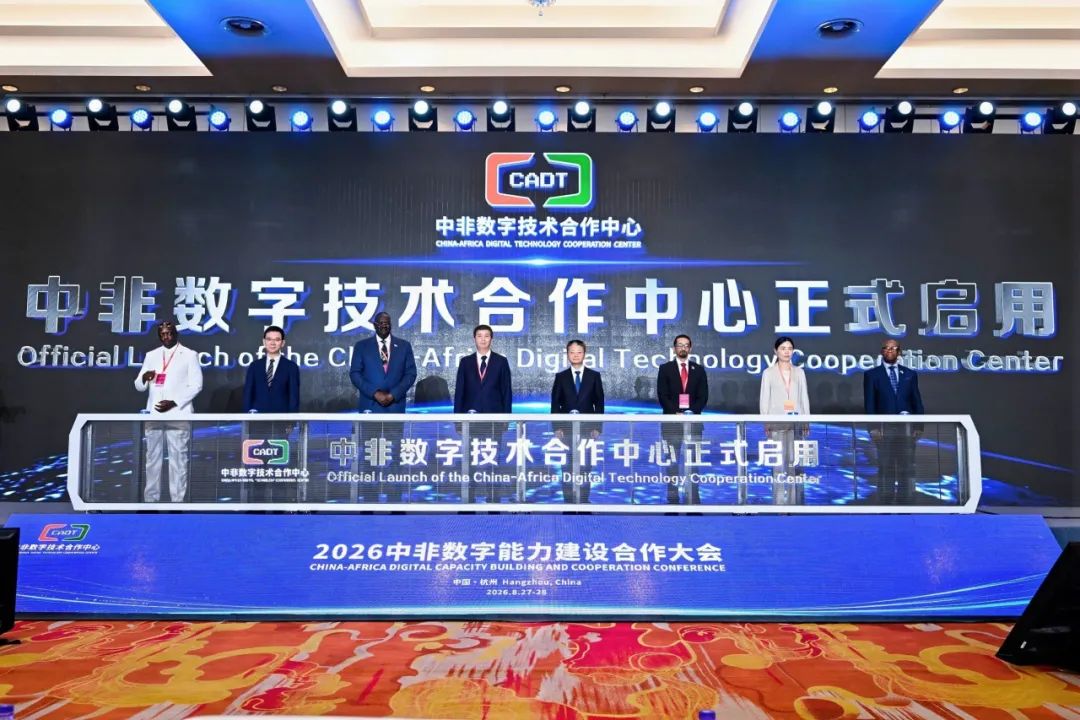 China-Africa Digital Cooperation | Smart Pole & Smart City Infrastructure
 FondaCity Unveils Its Latest AIoT Cloud Platform Release




