Why do some solar street light controllers work stably on municipal roads but frequently malfunction on rural paths? Why can scenic area lights achieve colorful dimming while municipal road lights only need basic on/off functions? The key reason is that
lighting requirements and environmental conditions vary across scenarios, so controller configurations must be tailored to local conditions.
Today, we focus on the three most common scenarios—
municipal roads, rural lighting, and scenic area lighting—to share practical tips for matching controllers, helping you avoid over-engineering or under-powering your system.
1. Municipal Road Lighting (Main & Secondary Arteries)
Core needs:
stable brightness, reliable backup power, easy maintenance.Municipal roads usually use high-power lights with wide coverage and high management complexity.
Controller configuration must meet 3 key requirements:
- Prioritize MPPT controllersMunicipal roads are often shaded by buildings and trees. MPPT controllers deliver high charging efficiency, ensuring normal operation during consecutive rainy days and outstanding energy-saving performance aligned with carbon peaking and carbon neutrality goals.
- Support remote managementWith a large number of widely distributed lights, remote monitoring enables real-time status checks and automatic fault alarms, greatly reducing maintenance costs. We recommend controllers with 4G/NB-IoT for fast response and stable signals.
- High protection ratingUrban outdoor environments are harsh (rain, dust). Controllers must have IP65 or higher protection to prevent water ingress and short circuits.
Example:A municipal main road project installed 200 units of 80W solar street lights with MPPT remote intelligent controllers, supporting light control + time control + stepped dimming.The lights operate at full brightness from 19:00 to 22:00, and half brightness from 22:00 to 06:30 next day, balancing lighting and energy saving.Via the remote management platform, maintenance staff monitor running data in the office, improving efficiency by over 60%.
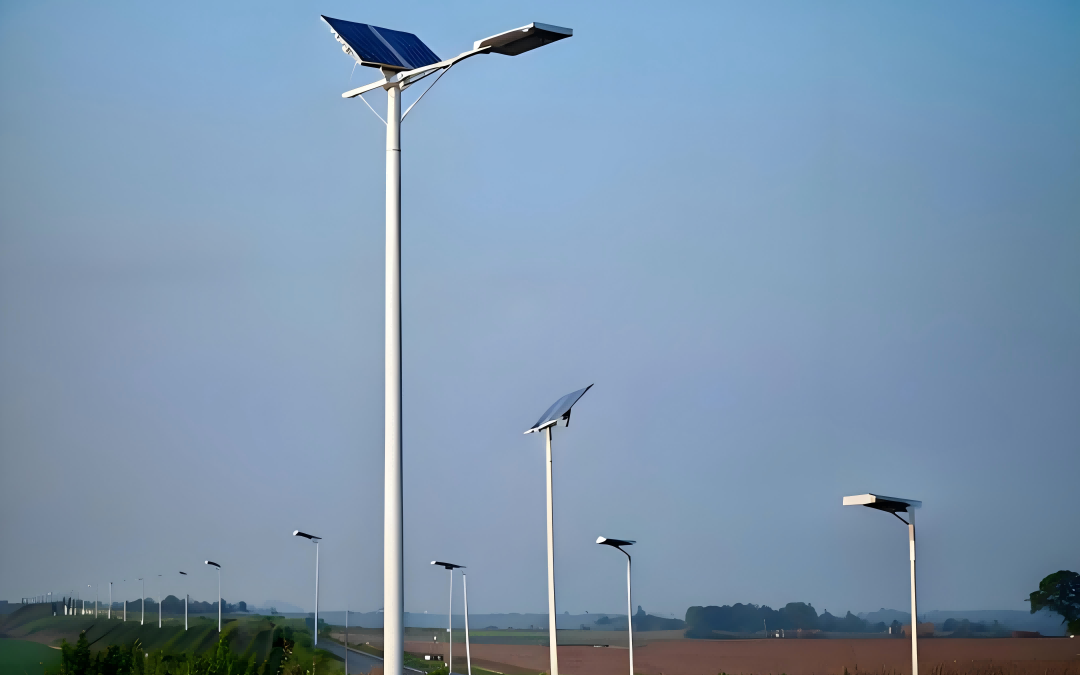
2. Rural Lighting (Village Roads, Yards, Village Entrances)
Core needs:
cost-effective, easy to operate, maintenance-free.Rural lights are lower-power (15W–40W), with generally good sunlight but limited maintenance access in remote areas.
Flexible configuration suggestions:
- For rural main roads (≥30W, frequent rainy days): Choose entry-level MPPT controllers for better battery life and energy saving.
- For yard lights & small village lamps (≤20W, sufficient sunlight, tight budget): PWM controllers are ideal—affordable, simple, and no complicated setup.
Additional features:
- Complete protection (overcharge, over-discharge, temperature compensation) to extend battery life and reduce maintenance.
- Plug-and-play, auto-run design for non-professional installation.
3. Scenic Area Lighting (Parks, Ancient Towns, Scenic Trails)
Core needs:
strong scene adaptability, high aesthetics, customizable.Scenic lighting requires both basic illumination and atmosphere creation; many need adjustable effects for festivals and events.
Controller configuration highlights
intelligence and customization:
- RGB color tuningSupports 16 million colors for light shows and festive themes, enhancing scenic atmosphere.
- Multiple dimming modesSuch as motion-sensor dimming (full brightness when people/vehicles pass, dim otherwise) and stepped dimming, saving energy while meeting different lighting needs.
- Compact & discreet designEasy for concealed installation to preserve scenery aesthetics, plus high protection rating to withstand rainy, foggy outdoor conditions.
Summary
There is no universal standard for solar street light controllers—
matching the scenario is key:
- Municipal roads: Prioritize stability & maintenance → MPPT + remote control
- Rural areas: Prioritize cost & ease of use → PWM or entry-level MPPT
- Scenic spots: Prioritize customization & atmosphere → RGB + multi-mode intelligent controllers
 FONDA Showcases Smart Lighting Innovations at Hong Kong Outdoor & Tech Light Expo Press Conference
 From Solar Lighting to Intelligent Operations: Fonda Tech Enables Smarter Lighting Management in Kuwait
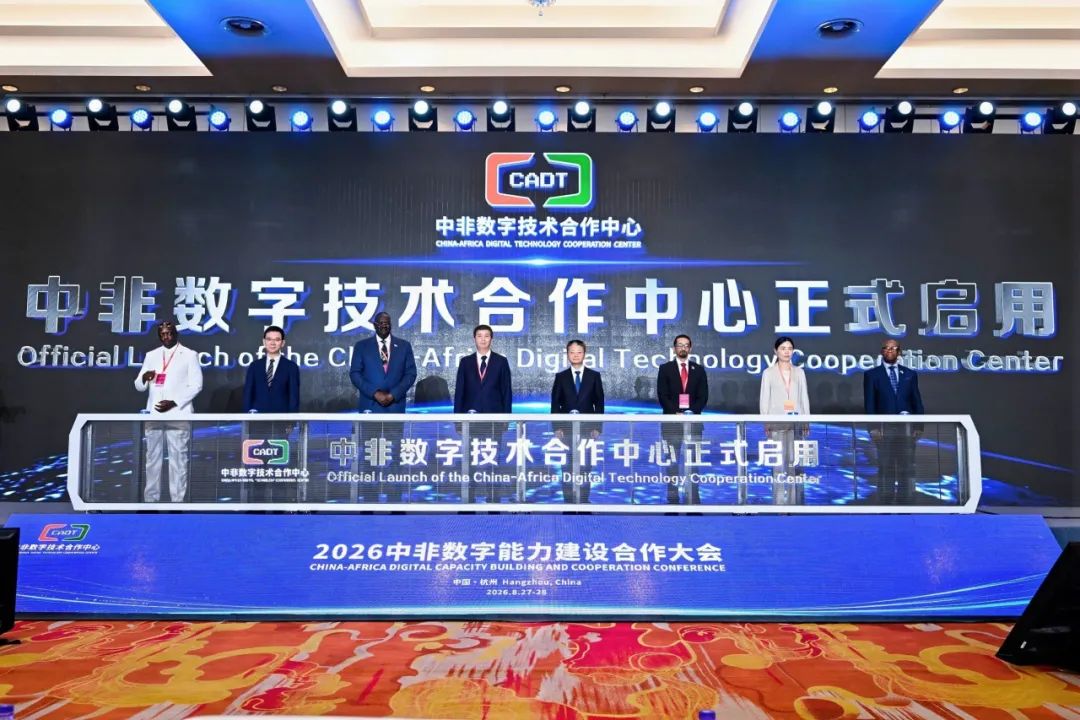 China-Africa Digital Cooperation | Smart Pole & Smart City Infrastructure
 FondaCity Unveils Its Latest AIoT Cloud Platform Release




