The evolution of urban landscapes demands infrastructure that is not only efficient but also intelligent and adaptive. Street lighting, a critical yet traditionally static component of city services, is undergoing a profound transformation. Leading this change are LoRaWAN-based smart lighting solutions, which offer a powerful and pragmatic approach to creating more sustainable, safe, and manageable urban environments.
A LoRaWAN (Long Range Wide Area Network) smart lighting solution is an end-to-end system that connects individual street lights to a central management platform via a secure, low-power wireless network. Each light pole is equipped with an intelligent controller embedded with a LoRa chip. These devices form a vast, interconnected network, communicating data to gateways that relay information to a cloud-based application. This setup allows city operators to monitor and command the entire lighting infrastructure in real-time from a single interface.
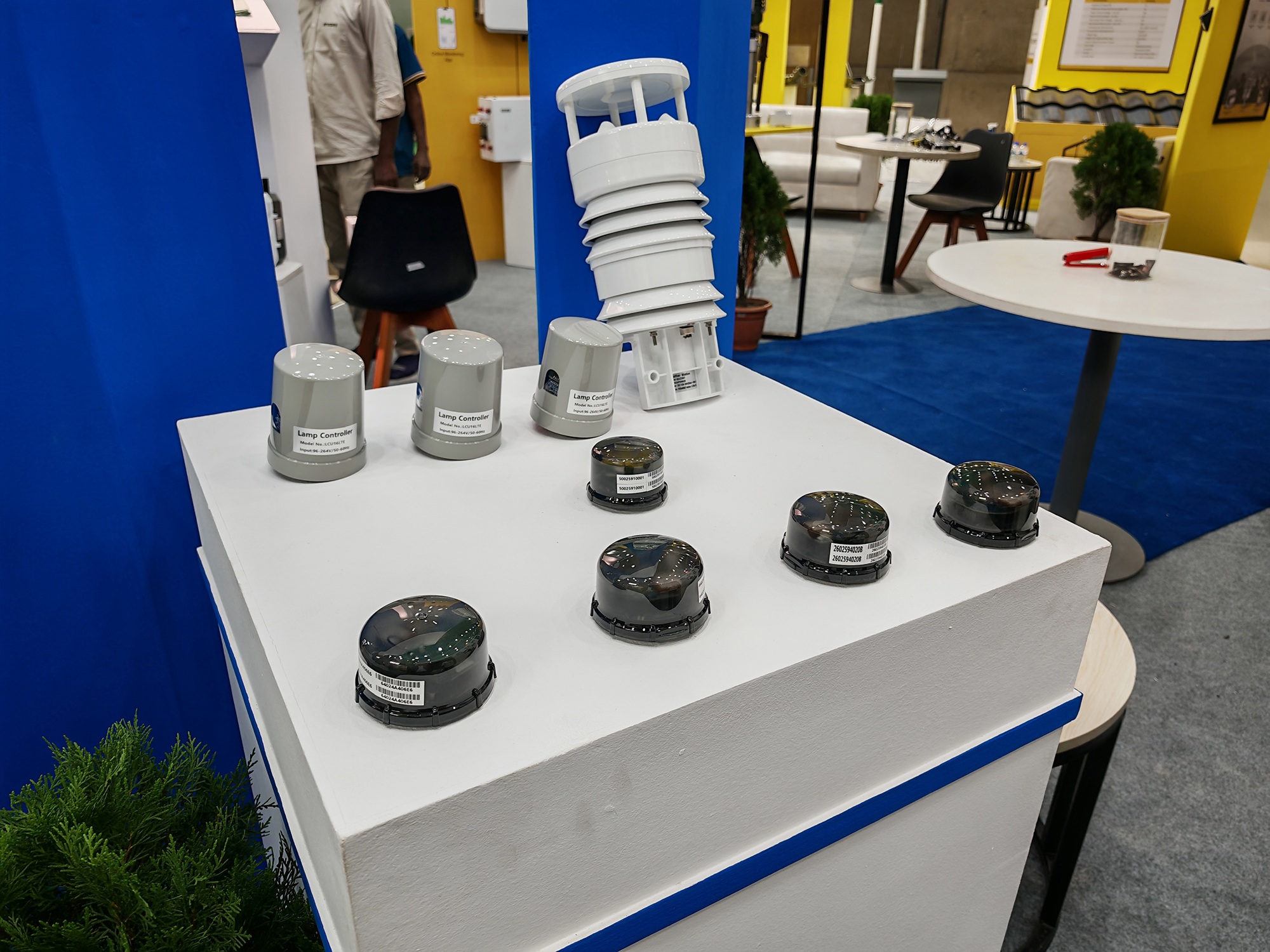
The advantages of this architecture are multifaceted. Firstly, it delivers unparalleled operational efficiency. Instead of relying on fixed timers or manual interventions, lights can be remotely controlled and dynamically dimmed according to predefined schedules, real-time traffic flow, or ambient light conditions. For instance, lights can operate at full brightness during peak hours and automatically dim to 30% during low-activity periods, resulting in energy savings of up to 60% and significantly reducing the city's carbon footprint.
Secondly, LoRaWAN introduces a proactive approach to maintenance. The intelligent controllers continuously monitor the status of each luminaire, detecting faults such as lamp failures, power irregularities, or communication dropouts. The system instantly generates precise alerts, pinpointing the exact location of the issue on a digital map. This allows maintenance crews to dispatch targeted repairs swiftly, eliminating costly night-time patrols and dramatically improving service reliability and citizen satisfaction.
Finally, the solution provides a foundation for data-driven city management. The network generates a continuous stream of valuable data on energy consumption, asset health, and environmental conditions. This intelligence empowers city planners to make informed decisions about future investments, optimize lighting policies for safety and efficiency, and even repurpose the ubiquitous LoRaWAN network for other smart city applications like waste management or environmental monitoring.
 FONDA Showcases Smart Lighting Innovations at Hong Kong Outdoor & Tech Light Expo Press Conference
 From Solar Lighting to Intelligent Operations: Fonda Tech Enables Smarter Lighting Management in Kuwait
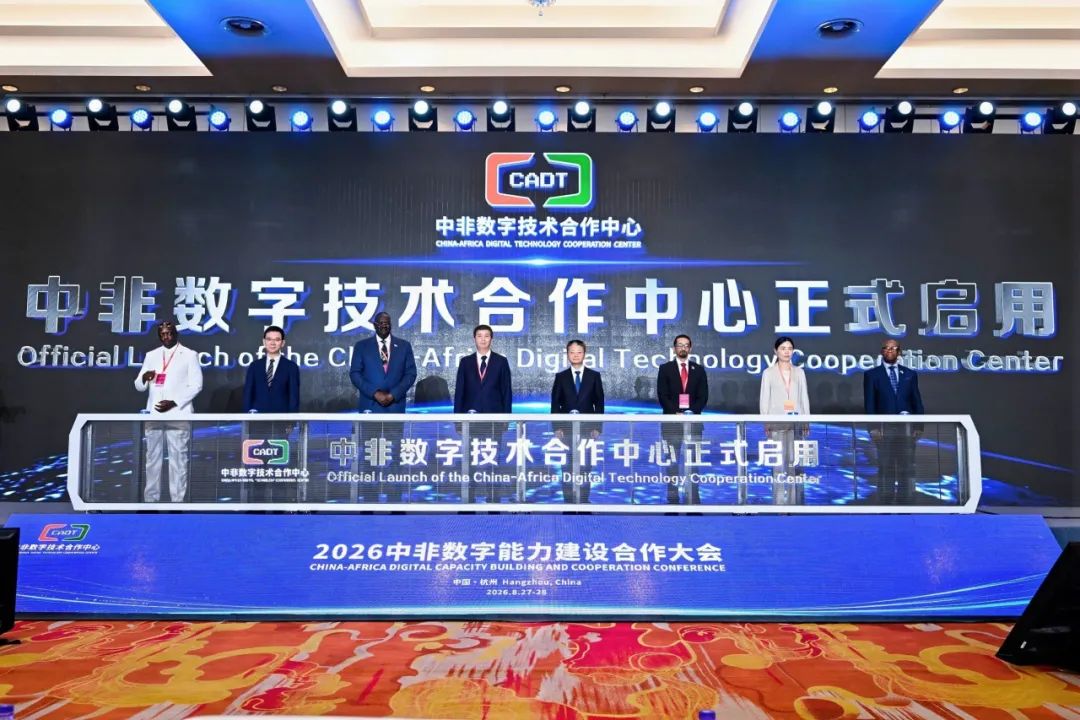 China-Africa Digital Cooperation | Smart Pole & Smart City Infrastructure
 FondaCity Unveils Its Latest AIoT Cloud Platform Release




