1. What is a Solar Street Light Controller?
A solar street light controller is the core component of a solar lighting system. It acts as the "brain," managing the energy flow between the solar panel, the battery, and the LED light. Its primary functions include: charge/discharge management, dusk-to-dawn (photocell) and/or timer-based switching, overcharge/over-discharge protection, temperature compensation, and short-circuit protection for the load, ensuring safe and stable system operation.
2. What are the Common Types of Controllers?
By Control Method:
Photocell (Dusk-to-Dawn): Automatically switches the light ON/OFF based on ambient light levels.
Timer: Switches the light ON/OFF according to pre-set time schedules.
Photocell + Timer: Combines both, often with photocell priority and timer override for specific hours.
By Technology/Function:
PWM (Pulse Width Modulation): A cost-effective, standard technology that regulates charging by pulsing.
MPPT (Maximum Power Point Tracking): A more advanced technology that continuously tracks the solar panel's optimal power output, significantly increasing charging efficiency, especially in low-light or cold conditions.
By System Voltage: 12V, 24V, 48V, etc. Must match the battery bank voltage.
3. How to Choose the Right Controller?
Match System Voltage: Controller voltage must equal battery voltage.
Current Rating: The controller's rated charge current should be at least 20-30% higher than the solar panel's short-circuit current (Isc).
Load Current: Ensure the controller's load output current rating exceeds the total current draw of your LED light(s).
Functionality: Choose based on application needs.
Environmental Rating: For outdoor installation, choose a controller with a waterproof rating of at least IP67.
4. Common Controller Faults & Troubleshooting
Light Not Turning ON: Check battery voltage (may be depleted), load wiring connections, and if the controller is in a protection state (e.g., low-voltage disconnect).
Light Stays ON During Day: Likely a faulty or obstructed light sensor (photocell). Clean or replace.
Abnormal Charging Indicator: Check solar panel wiring, connections, and battery health (may be aged and not accepting charge).
Frequent Protection/Shutdown: Could indicate overload (load wattage too high) or a wiring short circuit. Verify load specifications and check all cables.
5. Key Installation Notes
Install the controller in a dry, well-ventilated location, protected from direct sunlight and rain.
Crucial Wiring Sequence: Always connect the Battery terminals first, then the Solar Panel terminals, and finally the Load terminals.
Polarity Warning: Reverse polarity (mixing positive and negative) will instantly damage the controller. Double-check before connecting.
Ensure all terminal screws are tightly fastened to prevent poor contact, arcing, and overheating.
6. Routine Maintenance Tips
Periodically check the controller's LED indicators against the manual to ensure normal operation.
Keep the controller housing clean and free of dust/debris to aid heat dissipation.
Monitor battery voltage periodically to prevent deep discharge, which shortens battery life.
In winter, ensure the system (especially battery) is protected from extreme cold. In summer, ensure adequate ventilation.
7. MPPT vs. PWM Controllers: What's the Difference?
MPPT Controllers are highly efficient (up to 95-99% charge conversion). They optimize energy harvest from the solar panel, providing significant advantages in cloudy weather, winter, or for larger systems. They are more expensive.
PWM Controllers are simpler and more affordable. They connect the panel directly to the battery when charging, which can be less efficient, especially when the battery is nearly full. Ideal for smaller systems in areas with consistent, strong sunlight and where budget is a primary concern.
8. How to Set Controller Parameters?
Methods vary by brand and model:
Button/Pad Control: Use onboard buttons to switch modes, set timing, etc.
Dedicated Remote: Some controllers come with a small IR remote for parameter setting.
Smartphone App/Bluetooth: Advanced "smart" controllers offer wireless monitoring and configuration via a mobile app.
9. What is the Typical Lifespan and Replacement Cycle?
A quality controller typically lasts 3 to 5 years, depending on operating conditions, load stress, and maintenance. Consider replacement if you experience persistent faults, erratic behavior, or a clear failure to charge/discharge correctly.
10. Professional Purchasing Advice
Prioritize reputable brands known for quality and reliability.
Look for relevant safety and quality certifications (CE, RoHS, etc.).
Evaluate the availability of technical support and warranty service.
Select features based on actual project needs to avoid unnecessary cost and complexity.
 FONDA Showcases Smart Lighting Innovations at Hong Kong Outdoor & Tech Light Expo Press Conference
 From Solar Lighting to Intelligent Operations: Fonda Tech Enables Smarter Lighting Management in Kuwait
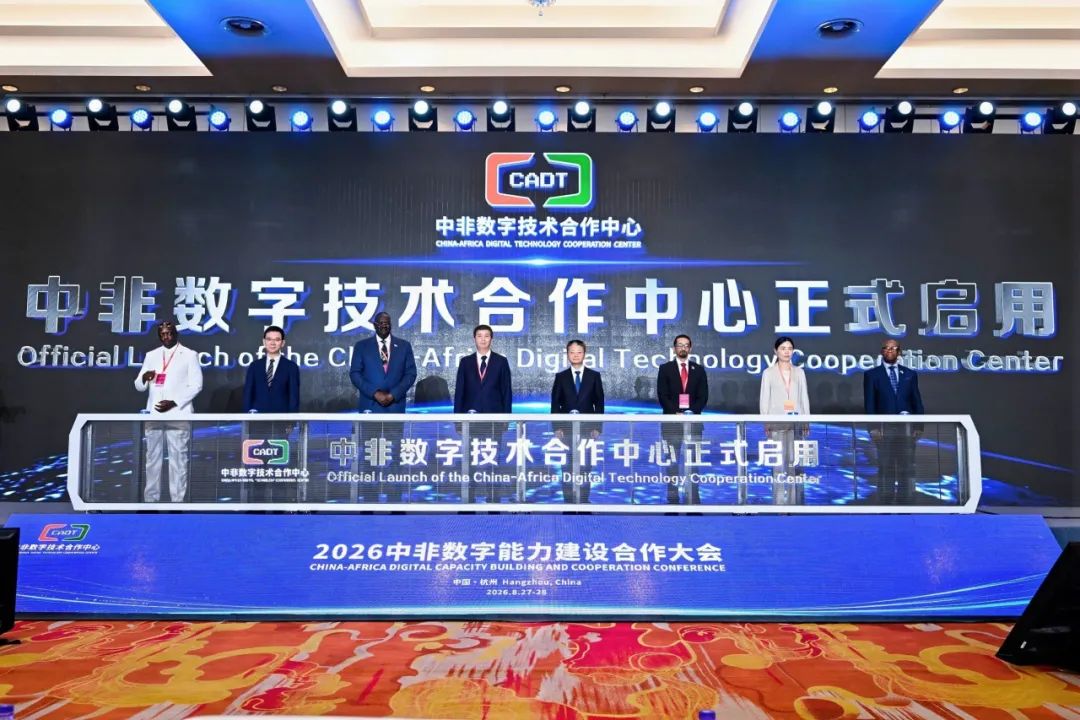 China-Africa Digital Cooperation | Smart Pole & Smart City Infrastructure
 FondaCity Unveils Its Latest AIoT Cloud Platform Release




