As urbanization accelerates, the demand for street lighting has grown exponentially, leading to increased energy usage and environmental impact. To address this challenge, municipalities and urban planners are seeking innovative solutions to minimize energy consumption without compromising on lighting quality and public safety. This piece delves into several effective strategies that leverage advancements in technology, design, and management practices.
Adoption of LED Technology:
One of the most impactful measures is the replacement of traditional lighting sources, such as high-pressure sodium lamps (HPS) and incandescent bulbs, with Light Emitting Diodes (LEDs). LEDs offer several advantages, including higher energy efficiency, longer lifespan, and better color rendering. They consume up to 75% less energy than conventional lights and can last up to 25 times longer, significantly reducing maintenance costs and energy consumption.
Smart Lighting Controls:
Integrating smart controls, such as dimming systems, motion sensors, and adaptive lighting algorithms, can further cut down energy use. For instance, lights can be programmed to dim during off-peak hours or when traffic is low, and brighten in response to pedestrian or vehicular activity. Smart systems can also adjust light intensity based on ambient light conditions, ensuring optimal illumination while conserving energy.

Renewable Energy Integration:
Incorporating renewable energy sources like solar panels into street lighting systems can offset grid electricity usage. Solar-powered street lights, equipped with batteries for storage, can operate independently or in conjunction with the grid, providing a sustainable and cost-effective lighting solution.
Regular Maintenance and Monitoring:
A well-maintained lighting system operates more efficiently. Regular inspections, cleaning of lamps and reflectors, and prompt replacement of faulty components can maintain optimal light output and reduce energy wastage. Advanced monitoring systems can detect malfunctions remotely, enabling quick repairs and minimizing downtime.
Adaptive Lighting Policies:
Developing policies that encourage energy-efficient lighting practices is crucial. This includes setting standards for lighting performance, promoting the use of energy-efficient technologies, and offering incentives or subsidies for retrofitting existing infrastructure. Public awareness campaigns can also educate citizens on the importance of energy conservation in street lighting.
Reducing the energy consumption of street lighting systems is a multifaceted challenge that requires a combination of technological advancements, smart design, and effective management strategies. By embracing LEDs, implementing smart controls, optimizing light distribution, integrating renewable energy, maintaining systems regularly, and adopting supportive policies, cities can significantly cut down their energy footprint while ensuring safe, well-lit streets. These measures not only contribute to environmental sustainability but also lead to long-term economic benefits through reduced operational costs and enhanced urban living conditions.
As urban planners and policymakers continue to prioritize energy efficiency, the adoption of these strategies will be pivotal in creating more sustainable and livable cities for the future.
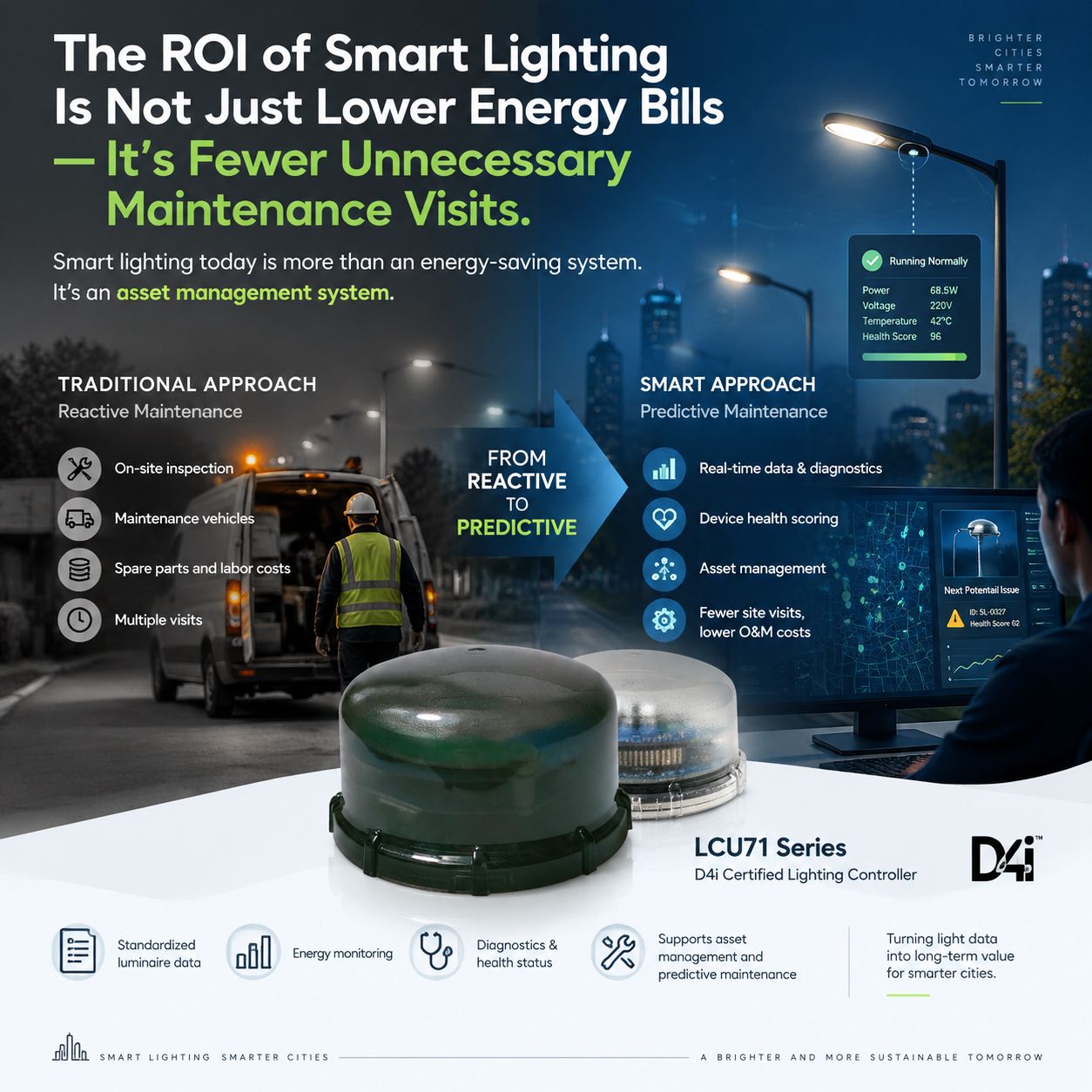 The New ROI of Smart Lighting: Beyond Energy Savings, Predictive Maintenance Cuts Operational Costs
 FONDA Showcases Smart Lighting Innovations at Hong Kong Outdoor & Tech Light Expo Press Conference
 From Solar Lighting to Intelligent Operations: Fonda Tech Enables Smarter Lighting Management in Kuwait
 China-Africa Digital Cooperation | Smart Pole & Smart City Infrastructure




