As cities worldwide strive to become smarter and more energy-efficient, the integration of 5G technology into urban infrastructure is revolutionizing traditional systems. One key application is in remote street light control, where 5G enables faster, more reliable, and highly efficient lighting management. By leveraging ultra-low latency, high bandwidth, and massive connectivity, 5G enhances the performance of smart street lighting networks, reducing energy consumption and improving maintenance.
Challenges with Traditional Street Light Control
Conventional street lighting systems often rely on manual operation, timers, or basic sensors, leading to inefficiencies such as:
Energy wastage due to fixed schedules (lights remain on even when unnecessary).
High maintenance costs due to delayed fault detection.
Limited adaptability to real-time environmental changes (e.g., weather, traffic).
While 4G and IoT-based solutions have improved control, they still face latency and scalability issues. This is where 5G technology provides a breakthrough.
How 5G Enhances Remote Street Light Control
1. Ultra-Low Latency for Real-Time Adjustments
5G networks offer latency as low as 1 millisecond, enabling instant communication between streetlights and control centers. This allows:
Dynamic brightness adjustment based on real-time pedestrian and vehicle movement.
Instant response to environmental changes (e.g., dimming lights during heavy fog or heavy rain for safety).
2. High-Speed Data Transmission for Advanced Analytics
5G supports high-bandwidth data transfer, facilitating:
Continuous monitoring of each streetlight’s status (power consumption, malfunctions).
AI-driven predictive maintenance, where anomalies are detected before failures occur.
Integration with traffic and weather data to optimize lighting schedules.
3. Massive IoT Connectivity for Scalable Networks
A single 5G network can support over 1 million connected devices per square kilometer, making it ideal for large-scale smart lighting deployments. Benefits include:
Centralized control of thousands of streetlights without network congestion.
Seamless integration with smart city systems (e.g., traffic signals, surveillance cameras).
4. Energy Efficiency and Cost Savings
By using 5G-enabled adaptive lighting, cities can:
Reduce energy consumption by up to 70% compared to traditional systems.
Lower maintenance costs through remote diagnostics and automated alerts.
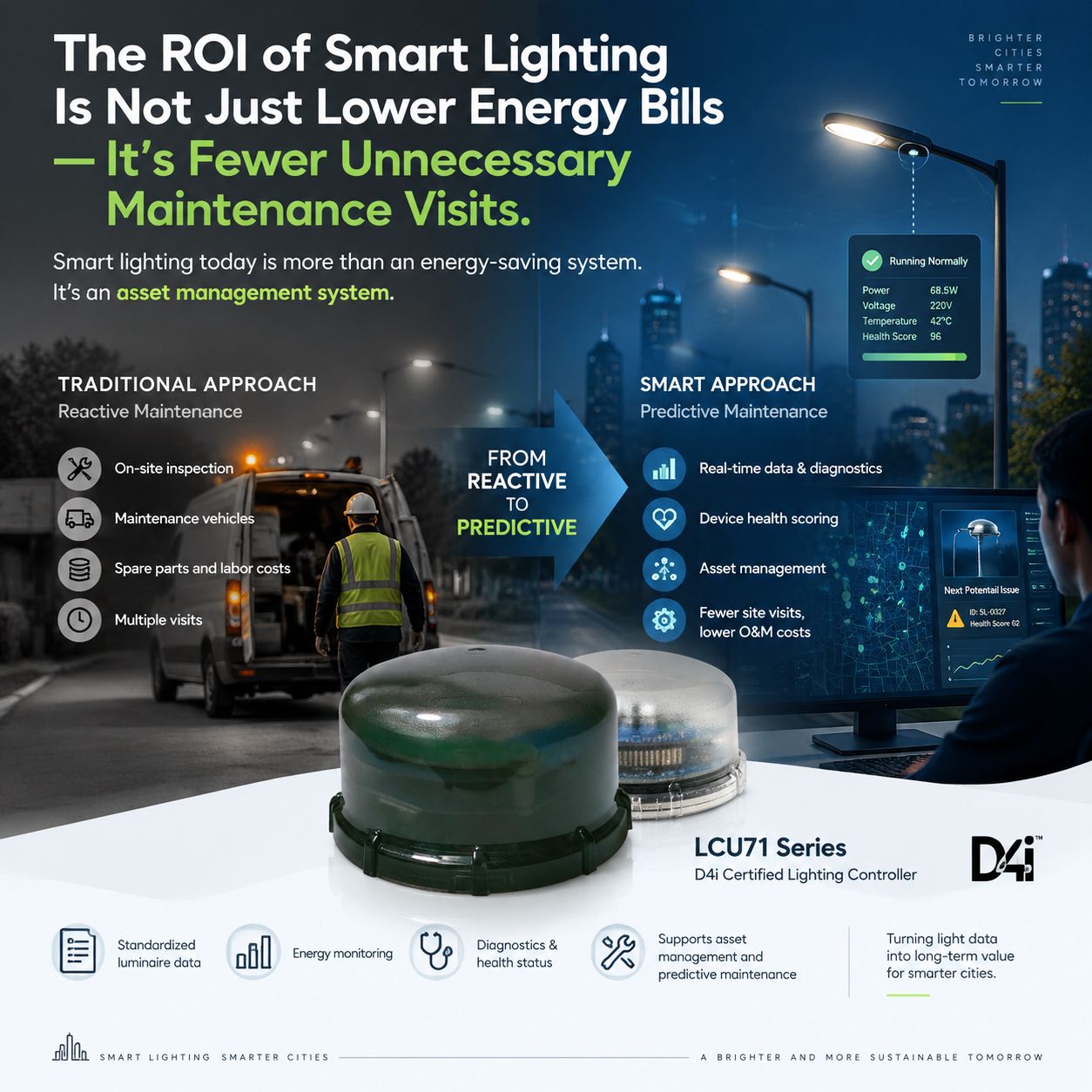 The New ROI of Smart Lighting: Beyond Energy Savings, Predictive Maintenance Cuts Operational Costs
 FONDA Showcases Smart Lighting Innovations at Hong Kong Outdoor & Tech Light Expo Press Conference
 From Solar Lighting to Intelligent Operations: Fonda Tech Enables Smarter Lighting Management in Kuwait
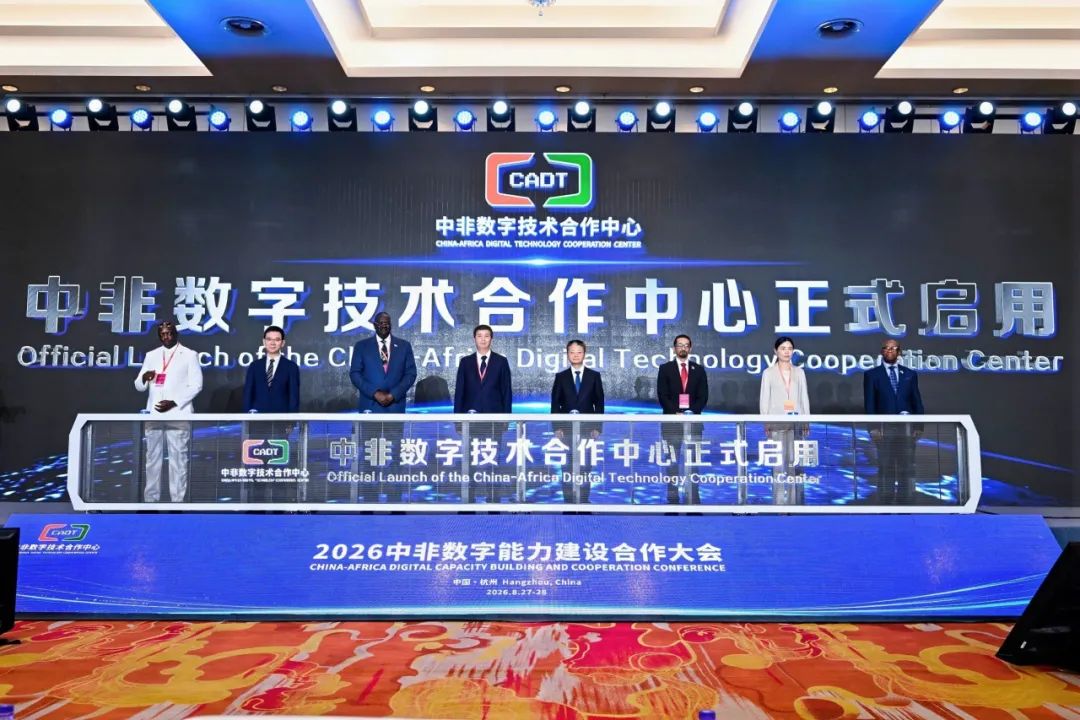 China-Africa Digital Cooperation | Smart Pole & Smart City Infrastructure




