Street lighting is a critical component of urban infrastructure, ensuring public safety, enhancing the aesthetic appeal of cities, and improving the overall quality of life for residents. As cities grow and technology advances, the need for more efficient and sustainable lighting solutions becomes increasingly apparent. One of the most significant advancements in this field is the implementation of remote control systems for street lighting. This article explores the importance of remote control in street lighting systems, highlighting its benefits, key features, and the impact it has on urban management.
1. Enhanced Operational Efficiency
Real-Time Monitoring and Control
Remote control systems allow city operators to monitor and manage street lighting in real-time from a centralized platform. This capability enables quick detection and resolution of issues such as burnt-out bulbs, power outages, or vandalism. By addressing problems promptly, cities can maintain consistent lighting levels, ensuring public safety and reducing the risk of accidents.
Automated Scheduling
Remote control systems can automate lighting schedules based on time of day, weather conditions, or specific events. For example, lights can be dimmed during low-traffic hours and brightened during peak times or adverse weather conditions. This automation reduces the need for manual intervention, saving time and resources for city operators.
2. Energy Efficiency and Cost Savings
Optimized Energy Usage
Remote control systems enable precise control over lighting levels, allowing cities to optimize energy consumption. By dimming lights when full brightness is not needed, cities can significantly reduce energy usage. This not only lowers electricity bills but also contributes to environmental sustainability by reducing greenhouse gas emissions.
Predictive Maintenance
Remote control systems can collect and analyze data on the performance of streetlights, enabling predictive maintenance. By identifying potential issues before they become critical, cities can schedule maintenance more efficiently, reducing downtime and extending the lifespan of lighting infrastructure. This proactive approach minimizes repair costs and ensures reliable lighting.
3. Improved Public Safety and Security
Consistent Lighting Levels
Remote control systems ensure that streetlights operate at optimal levels, providing consistent illumination across the city. This consistency enhances public safety by reducing dark spots that could pose hazards to pedestrians and drivers. Well-lit streets also deter criminal activities, contributing to a safer urban environment.
Emergency Response
In the event of an emergency, remote control systems can be used to adjust lighting levels to support emergency response efforts. For example, lights can be brightened in areas affected by power outages or natural disasters, aiding rescue operations and ensuring the safety of residents.
4. Environmental Sustainability
Reduced Carbon Footprint
By optimizing energy usage and integrating renewable energy sources, remote control systems help cities reduce their carbon footprint. Energy-efficient lighting solutions, such as LED lights, combined with smart control mechanisms, contribute to a more sustainable urban environment.
Integration with Renewable Energy
Remote control systems can be integrated with renewable energy sources, such as solar panels, to further enhance sustainability. This integration allows cities to harness clean energy for street lighting, reducing reliance on fossil fuels and promoting environmental conservation.
5. Data-Driven Decision Making
Comprehensive Data Collection
Remote control systems collect vast amounts of data on lighting usage, energy consumption, and maintenance needs. This data can be analyzed to gain valuable insights into the performance of the lighting network, informing future infrastructure planning and decision-making.
Enhanced Urban Planning
The insights gained from data analysis can be used to improve urban planning and development. For example, data on lighting usage patterns can inform the placement of new streetlights or the optimization of existing ones, ensuring that lighting infrastructure meets the needs of the community.
The implementation of remote control systems in street lighting is a game-changer for urban management. By enhancing operational efficiency, improving public safety, and promoting environmental sustainability, these systems offer a range of benefits that contribute to the overall well-being of cities. As technology continues to evolve, the potential for further innovation in remote control systems is vast, promising a brighter and more sustainable future for urban environments.
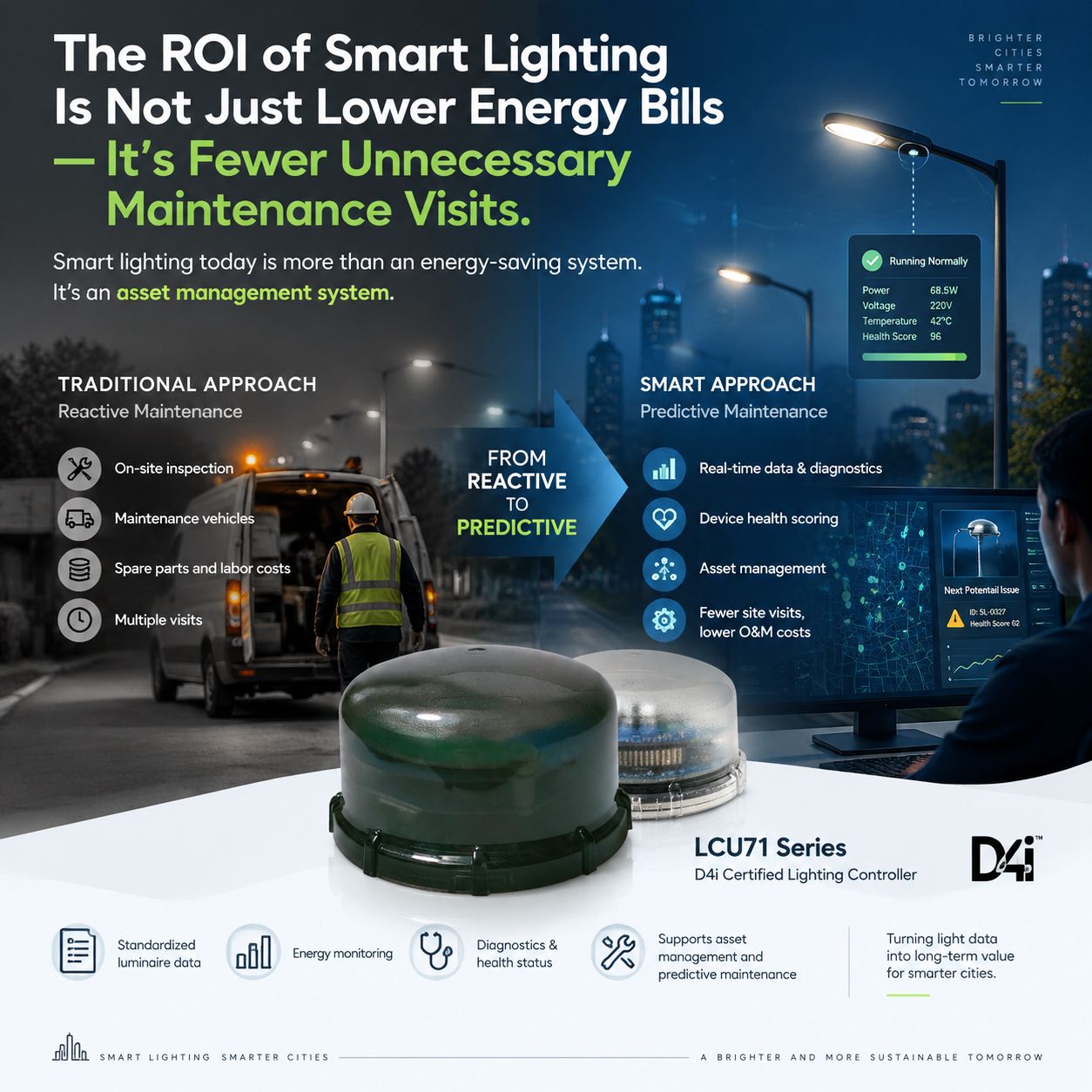 The New ROI of Smart Lighting: Beyond Energy Savings, Predictive Maintenance Cuts Operational Costs
 FONDA Showcases Smart Lighting Innovations at Hong Kong Outdoor & Tech Light Expo Press Conference
 From Solar Lighting to Intelligent Operations: Fonda Tech Enables Smarter Lighting Management in Kuwait
 China-Africa Digital Cooperation | Smart Pole & Smart City Infrastructure




