As cities worldwide embrace digital transformation, smart street lights have emerged as a foundational element of urban infrastructure. These systems go beyond basic illumination, integrating sensors, cameras, and controllers to enable intelligent lighting, environmental monitoring, traffic management, and public safety services. A critical challenge in their deployment is selecting a communication technology that balances reliability, cost, coverage, and power consumption. LTE CAT1 (Category 1) has proven to be an exceptionally suitable solution, effectively addressing these core requirements.
The primary advantage of CAT1 lies in its optimal balance of performance and efficiency. Compared to traditional cellular modules (like CAT4), CAT1 modules are significantly lower in cost and complexity, making them ideal for large-scale, cost-sensitive deployments such as city-wide street light networks. Furthermore, CAT1 operates on existing, ubiquitous 4G LTE networks, ensuring immediate and extensive coverage without the need for dense gateway installations required by some short-range technologies.
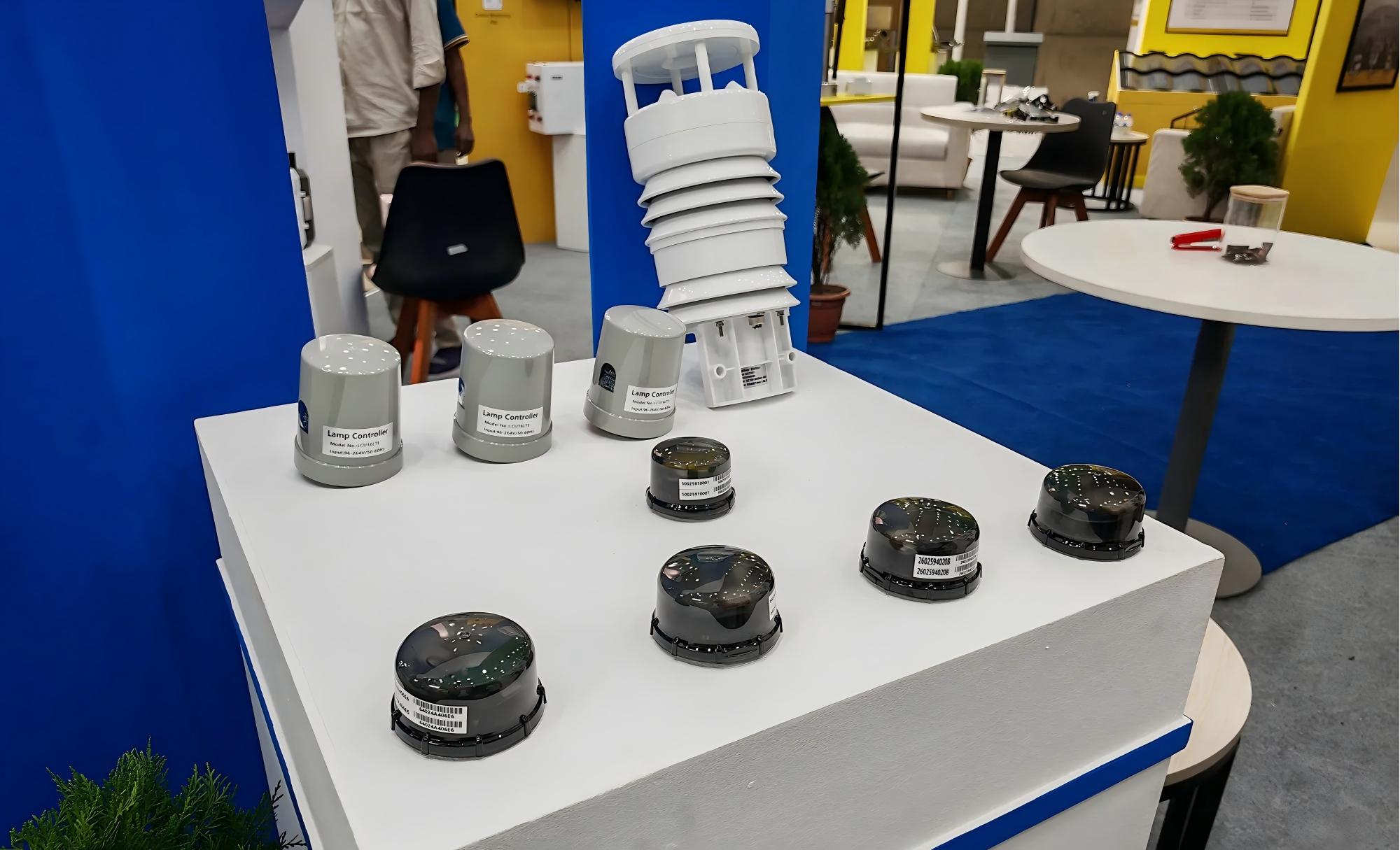
For smart street light applications, this translates into reliable, real-time connectivity for various functions. Central management systems can remotely monitor the status of each light pole, dynamically adjust brightness based on time, weather, or pedestrian traffic to save energy, and receive instant alerts for faults like lamp failures. Integrated sensors can transmit data on air quality, noise levels, or temperature via CAT1. While power consumption is higher than LPWAN technologies like NB-IoT, it is perfectly manageable for grid-powered street lights and supports higher data rates for functions that may require occasional image or video data upload from security cameras.
In conclusion, LTE CAT1 serves as a robust and cost-effective communications backbone for smart street lighting. It provides the necessary bandwidth, reliability, and network maturity to support a wide range of smart city applications, facilitating efficient management, energy conservation, and enhanced urban services, thereby paving the way for more connected and intelligent urban environments.
 FONDA Showcases Smart Lighting Innovations at Hong Kong Outdoor & Tech Light Expo Press Conference
 From Solar Lighting to Intelligent Operations: Fonda Tech Enables Smarter Lighting Management in Kuwait
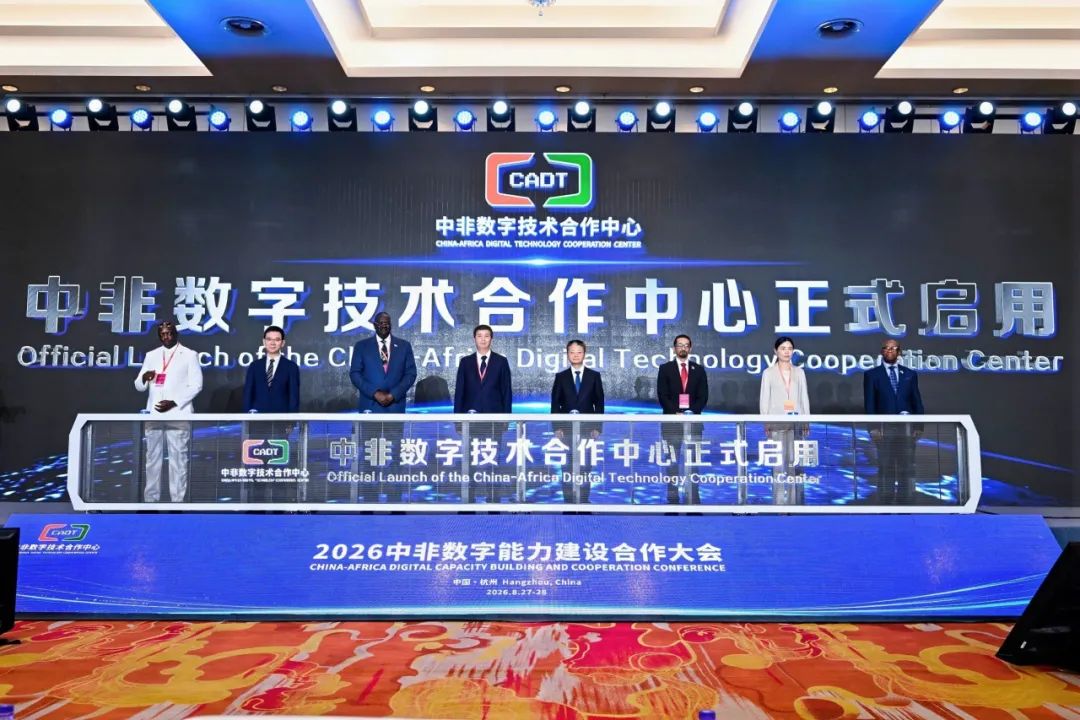 China-Africa Digital Cooperation | Smart Pole & Smart City Infrastructure
 FondaCity Unveils Its Latest AIoT Cloud Platform Release




