In the grand tapestry of smart city development, every element is becoming interconnected, intelligent, and efficient. Street lighting, a ubiquitous feature of urban landscapes, is undergoing a profound transformation. At the heart of this revolution lies a powerful yet often overlooked device: the 4G Single Lamp Controller. This technology is redefining urban illumination, turning simple light poles into intelligent nodes in a vast urban Internet of Things (IoT) network.
A 4G Single Lamp Controller is a compact, advanced device attached to individual streetlights. Its core function is to utilize the widespread coverage and reliable bandwidth of 4G LTE networks to enable bidirectional communication between each light and a central management software platform. Unlike older systems that control entire circuits of lights, this device allows for granular, per-lamp management, making it the fundamental building block of a truly intelligent lighting infrastructure.
The technological advantages of this system are multifaceted. Primarily, it enables unprecedented precision in control. City managers can remotely switch lights on or off, dim them to exact levels, and create detailed scheduling strategies based on real-time data like seasonal changes, weather conditions, or traffic density. A street can be brightly lit during peak hours and subtly dimmed after midnight, significantly enhancing energy efficiency without compromising safety.
Secondly, it provides comprehensive real-time monitoring. Each controller acts as a sentinel, continuously collecting and transmitting vital data on the lamp’s operational status, energy consumption, voltage, and current. Crucially, it can instantly report faults—such as a lamp failure, power irregularity, or internal component issue—directly to maintenance teams. This transforms maintenance from a costly, reactive, manual patrol-based model to a proactive, targeted, and efficient process, drastically reducing downtime and repair costs.

Furthermore, deployment is remarkably flexible and scalable. Leverating existing 4G cellular networks eliminates the need for extensive and expensive dedicated communication wiring (like power line communication cables or LoRa gateways). This plug-and-play simplicity allows cities to roll out smart lighting systems quickly and scale them up one light at a time with minimal disruption. Many modern controllers also integrate GPS positioning, providing an accurate digital map of every asset for easy location and management.
The practical benefits for municipalities and citizens are substantial. The most immediate impact is massive energy savings. By implementing dynamic dimming schedules, cities can routinely achieve a reduction in energy consumption of 30% to 60%, translating into lower utility bills and a smaller carbon footprint. The operational expenditure (OPEX) on maintenance is also slashed, freeing up municipal budgets for other community projects.
Beyond lighting, the 4G controller provides a foundation for a broader smart city ecosystem. The streetlight pole, now powered with a constant communication link, becomes an ideal host for additional sensors and devices. It can integrate with environmental sensors to monitor air quality, noise pollution, or temperature. It can support public safety with integrated cameras or emergency call buttons, and even serve as a backbone for public Wi-Fi hotspots. This multi-functionality maximizes the return on investment of city infrastructure.
In an era already discussing 5G, the 4G-based controller remains highly relevant. For many smart lighting applications that require reliable, medium-bandwidth data transmission without ultra-low latency, 4G technology is more than sufficient. It offers a mature, stable, and cost-effective solution that will continue to be a viable and competitive option for years to come.
Looking ahead, the evolution of the single lamp controller will involve deeper integration with AI and machine learning algorithms. Future systems will not just execute commands but will autonomously make lighting decisions based on predictive analytics and learned patterns, further optimizing urban life.
In conclusion, the 4G Single Lamp Controller is far more than a simple switching device. It is a critical enabler of urban intelligence, providing the connectivity, data, and control necessary to build safer, more sustainable, and efficient cities. It proves that even the smallest technological component can play a monumental role in lighting the way forward.

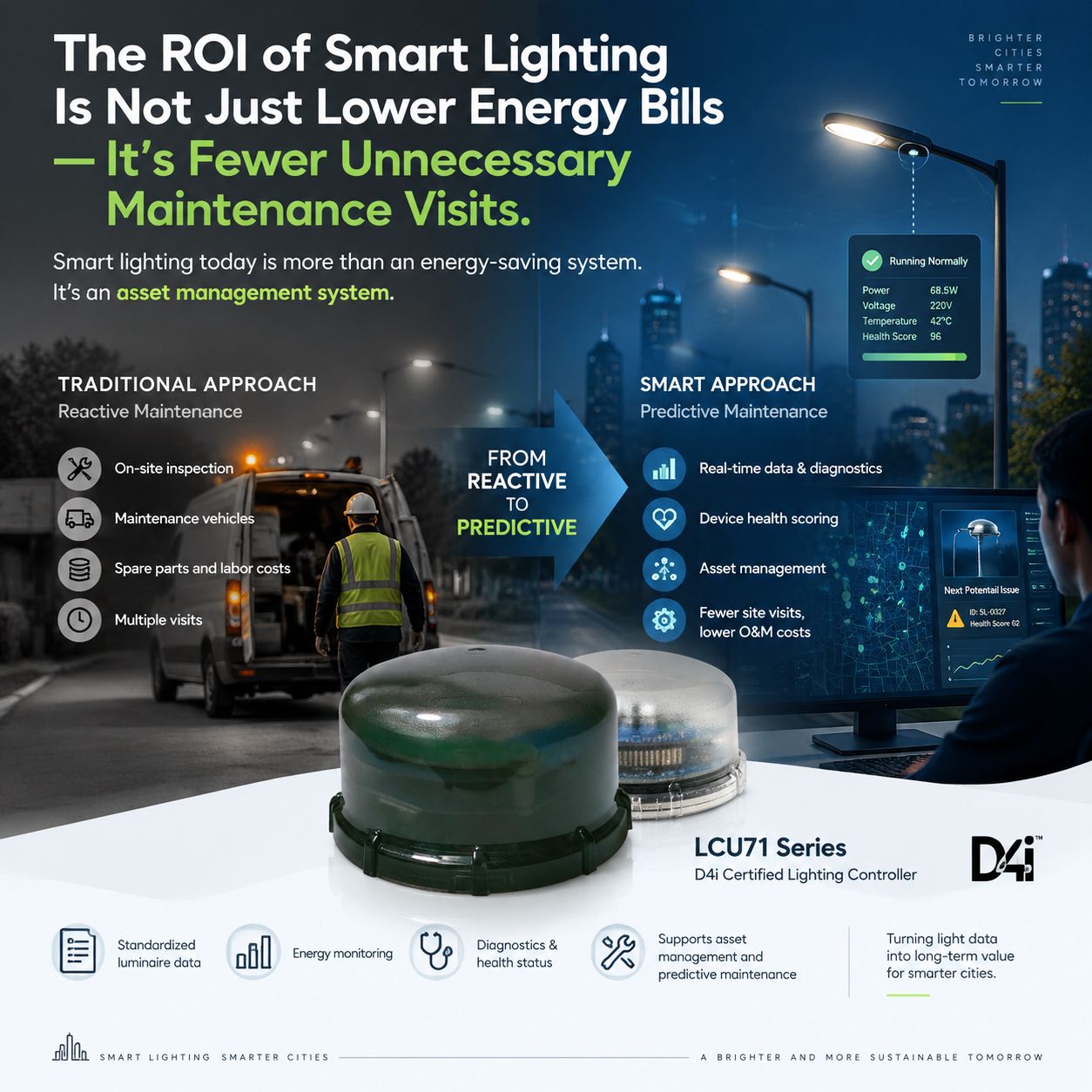 The New ROI of Smart Lighting: Beyond Energy Savings, Predictive Maintenance Cuts Operational Costs
 FONDA Showcases Smart Lighting Innovations at Hong Kong Outdoor & Tech Light Expo Press Conference
 From Solar Lighting to Intelligent Operations: Fonda Tech Enables Smarter Lighting Management in Kuwait
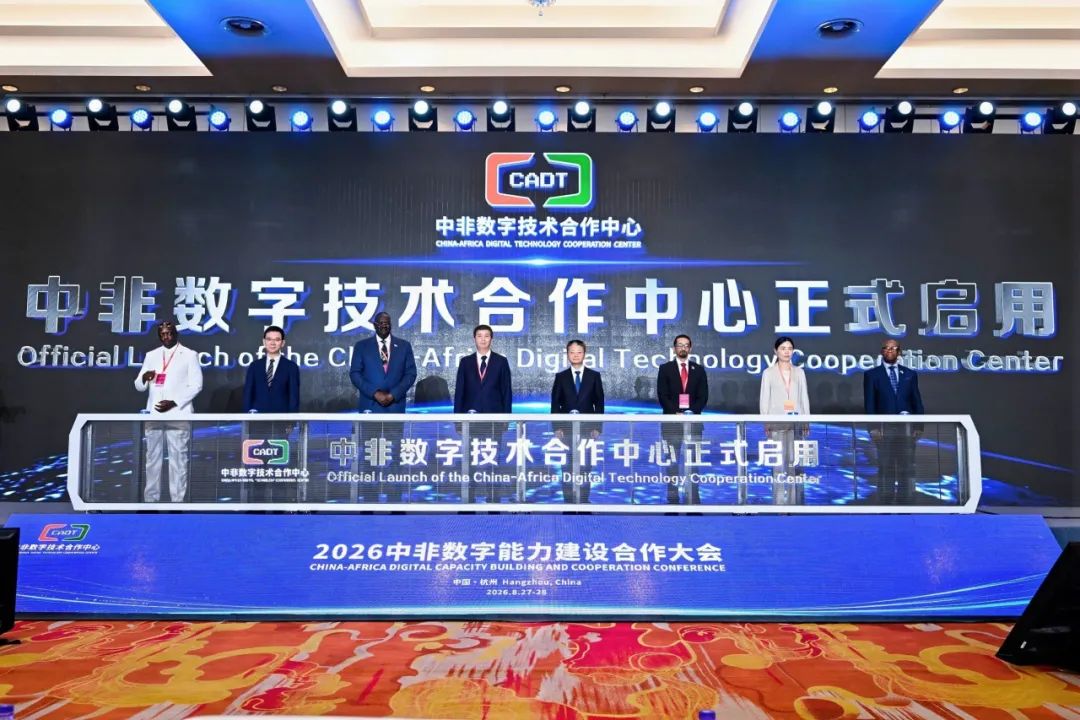 China-Africa Digital Cooperation | Smart Pole & Smart City Infrastructure




